Memory Foam vs Latex Mattresses: Which Material Suits Your Sleep Style?
A practical, fashion-forward guide to two heavyweight contenders in the sleep world, unpacking feel, performance, and longevity so you can choose with confidence.
A quick introduction to the duel: memory foam vs latex
In the realm of mattresses, few debates are as enduring as memory foam versus latex. Think of memory foam as a memory-strong embrace—soft at first contact, then progressively contouring to your body’s curves. Latex, by contrast, offers a buoyant, responsive lift with a peppering of bounce. Both materials promise pressure relief, but they do so with different rhythms and temperaments. The choice can influence not only comfort but sleep posture, temperature regulation, and how your mattress ages over time.
This guide leans into the fashion of comfort: how each material feels, how it responds to movement, and how it maintains that first-night-in-a-luxe-hotel feel for years. We’ll also illuminate the practical questions that haunt buyers—who tends to gravitate toward memory foam, who leans latex, and what trade-offs attend durability, allergy considerations, and maintenance.
Feel and contour: how memory foam and latex respond to your body
Memory foam’s signature is its ability to cradle the body with a slow, sinking contour. This “hug” can be especially comforting for sleepers who seek relief from pressure points in the hips, shoulders, and lower back. Over time, the memory foam’s density shapes a unique silhouette of your sleeping pattern, a quiet, almost whispered memory of every night spent resting. Yet that same contouring can translate into a sensation of being “stuck” for some movers, a response that might feel restrictive if you prefer quick repositioning or side-to-side mobility.
Latex delivers a different kind of poetry. It responds with buoyancy, resuming shape quickly after pressure is released, which translates to a lighter, more energetic lift when you roll over or switch positions. Natural latex—whether Dunlop or Talalay processing—brings an elastic resilience that many sleepers associate with a more “springy” feel. The result is a mattress that invites movement and provides a cooler-sensation surface due to the material’s inherent breathability and open-cell structure.
Consider your preferred relationship to sinking versus supporting. If you savor enveloping comfort that eases joints into place, memory foam might be your muse. If you crave a responsive surface that keeps your spine aligned without a heavy hug, latex could be your go-to. Both materials can deliver excellent pressure relief; the distinction lies in the texture of relief—the slow, velvet touch of memory foam versus the crisp, spring-forward lift of latex.
Firmness, durability, and temperature: the three-way equation
Firmness matters in mattress choice but is relative to the sleeper’s body type, weight distribution, and sleeping position. Memory foam tends to “read” firmer in the first few weeks as it settles, then softens slightly with aging as it conforms more deeply. Latex typically maintains its feel longer, with a stable firmness that resists the dramatic changes some foams experience as they age. The durability story matters for those who want a long-term companion without frequent replacement.
Temperature regulation is where memory foam’s history has evolved. Traditional memory foam can trap heat due to its dense, cradling nature. Modern memory foam formulations often incorporate gel infusions, open-cell structures, or phase-change materials to mitigate heat retention. Latex generally stays cooler by its very construction—air pockets, natural breathability, and instability of the surface help dissipate heat more readily. If you tend to sleep hot, latex often presents a cooler baseline; if you sleep cool naturally, memory foam with the right cooling tech can be pleasantly supportive without overheating.
Allergies, sensitivity, and sustainability considerations
Allergy considerations are not one-size-fits-all. Memory foam, especially in hypoallergenic formulations, can be excellent for reducing dust mite exposure, though it’s essential to verify the specific materials and certification. Latex, particularly natural latex from rubber trees, has a reputation for durability and breathability, but it’s important to avoid latex if you have a known latex allergy. Synthetics exist as well and can blur the lines between memory foam and latex in consumer campaigns; always check certifications and compositions to understand what you’re buying.
From a sustainability standpoint, latex—especially organic or sustainably sourced variants—can be appealing to eco-conscious sleepers. Memory foam’s environmental footprint varies by manufacturing process and material blends, including whether it uses plant-based oils or recycled components. If sustainable sourcing is part of your brand commitments, it’s worth asking suppliers for third-party certifications and lifecycle data.
Which position and body type align with memory foam or latex?
The “sleep position guide” angle helps translate material choice into practical advice. Stomach sleepers, who often seek a firmer feel to prevent excessive extension of the spine, may gravitate toward memory foam with a balanced density or a latex variant that offers consistent support without excessive sinking. Back sleepers can benefit from medium to medium-firm profiles in memory foam, allowing contouring around the spine while preventing the hips from dipping. Side sleepers look for pressure relief at the shoulders and hips; memory foam’s deep contour can be comforting here, yet a medium latex feel can also provide relief with a bit more bounce that reduces shoulder compression.
Weight distribution matters, too. Heavier individuals often notice memory foam’s tendency to indent more deeply over time, which can be mitigated by higher-density foams or latex configurations. Lighter sleepers might enjoy the gentler cradle of memory foam or the responsive lift of latex without sacrificing alignment. The best path is often a sleep trial, in combination with a manufacturer’s return policy or a retailer’s trial period, to test how a mattress feels in real-life nighttime routines.
Maintenance, care, and longevity
Care regimes differ by material and construction. Memory foam requires protection from moisture and heat exposure; a breathable mattress cover, conscientious cleaning, and proper rotation can help maintain uniformity in surface feel. Latex earns its stripes through durability and resilience, though even latex needs to be kept clean and dry to preserve its integrity. Vacuuming the surface regularly, using a protective mattress pad, and following any brand-specific guidelines contributes to a longer, more pristine sleep surface.
When it comes to replacement cycles, memory foam mattresses often show signs of sagging after many years, particularly if the foam density or construction degrades unevenly. Latex mattresses, especially those built with multiple layers, can maintain a balanced feel for a long time, but age and use will still necessitate reassessment. A look at warranty coverage—generally a long horizon for high-quality latex and robust memory foam products—can provide a framework for decisions about when to repair, replace, or upgrade.
Practical guidance: choosing between memory foam and latex
To translate this into a practical decision, consider a few guiding questions. Do you tend to sleep hot, and would you benefit from a material with higher breathability? If so, latex might be your friend. Are you seeking a super-snug cradle that minimizes movement and maximizes pressure relief for sensitive joints? Memory foam—particularly high-density formulations—could be the advantageous match. Do you value a mattress that feels lighter to move on, or do you prefer a surface that feels more substantial and composed? Latex often wins on mobility, while memory foam can emphasize a deeper, contouring hug.
Budget considerations also influence the decision. Latex tends to be more expensive upfront, reflecting its natural materials and durability. Memory foam can deliver excellent value, especially when paired with cooling features or plant-based oils in newer formulations. If sustainability or organic credentials matter, seek out certifications like GOTS for textiles and third-party foam certifications to reassure transparency across the supply chain.
A quick buyer’s checklist
- Identify sleep position and pressure points to determine contour needs.
- Decide on temperature preferences and look for cooling technologies in memory foam or breathable latex options.
- Check density and firmness ratings appropriate to your body weight and sleep style.
- Assess durability and warranty terms; consider the longevity you expect from the mattress.
- Review certifications for materials (organic, sustainable, or lab-tested components).
- Consider a trial period and return policy to test the material in real-world conditions.
A note on related products and future-proofing your sleep
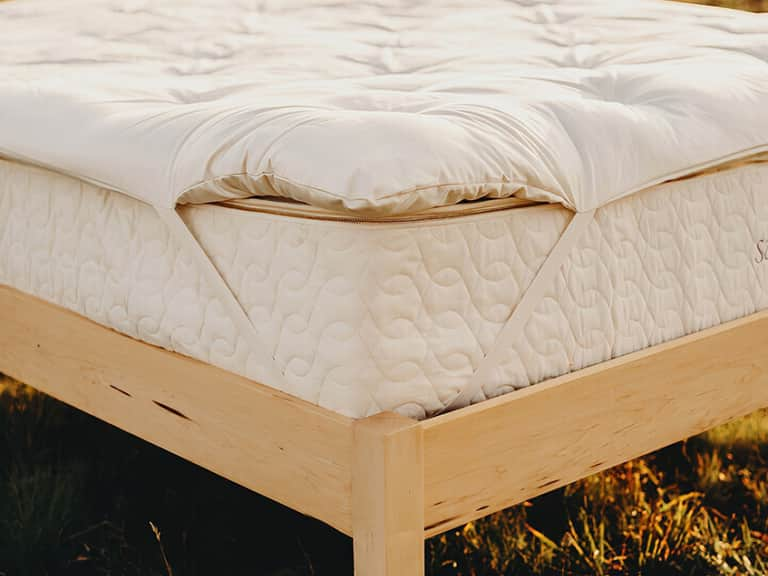
Beyond the core material choice, the sleep system is a broader ecosystem. A breathable mattress protector, a thoughtfully chosen pillow that supports neck alignment, and a top layer such as a latex topper can influence comfort and temperature, complementing your mattress choice. In a Vogue-like moment of sleep styling, we imagine a refined, serene sleep environment—one that values texture, material integrity, and sensory layering as a way to elevate nightly rest.
For readers with a penchant for curated detail, consider exploring products that align with your chosen material. If looking at latex, consider layers or toppers that maintain your desired feel while contributing to overall temperature management. If memory foam is your pick, seek out cooling enhancements and breathable covers that preserve the calming cradle without overheating.
The intersection with the Mattres Stores brand narrative
In the world of bed and wellness information, the phrase “memory foam vs latex mattresses” can become a gateway into a broader conversation about sleep health, product science, and informed consumer decision-making. For Mattres Stores, this material-focused guide can anchor a larger editorial ecosystem—connecting readers with content about sleep science, durability metrics, and responsible sourcing, while steering them toward thoughtful, non-promotional product explorations that respect the reader’s intelligence and aesthetic sensibility.
To honor the editorial voice and the informational intent, the platform can maintain credibility through transparent sourcing, clear data on material properties, and an emphasis on practical experiences rather than marketing hyperbole. The result is a confident, fashion-forward authority on sleep that resonates with readers seeking substantive guidance and enduring comfort.
Product spotlight: a genuine fit for this narrative
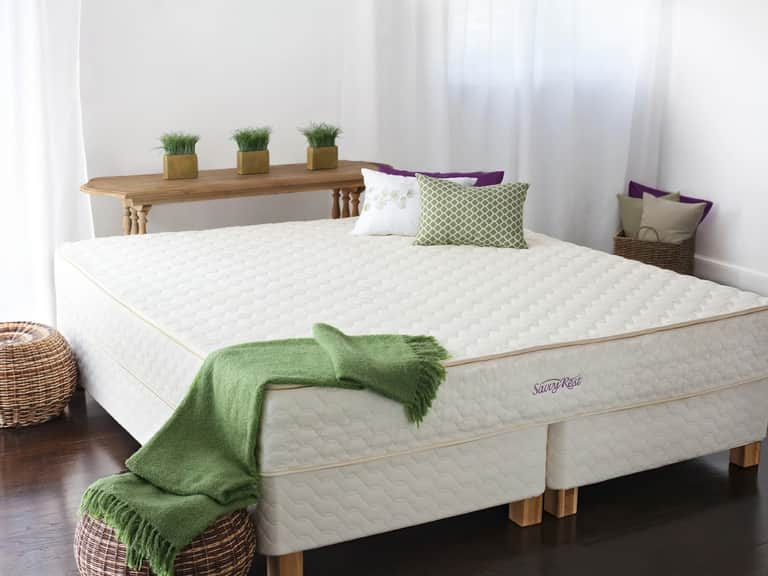
Among the available products in this space, the Savvy Rest Serenity Latex Mattress stands out as a meaningful example when discussing latex construction and customization. The Serenity offers layered natural latex options with organic cotton casing and wool quilting, presenting a tangible reference for the discussion of latex feel, durability, and customization options. Its design aligns with the principles of high-quality materials, transparency, and a thoughtful approach to comfort.
In the context of an editorial feature, mentioning such a product helps ground theoretical comparisons in real-world choices, without turning the article into a sales pitch. It highlights how latex can be configured for firmness and support, while also acknowledging the practical considerations of care, warranty, and the value proposition of a premium latex system.
Conclusion: embracing a nuanced, stylish approach to mattress selection
Memory foam and latex cada one offers a distinct dreamscape of comfort. The Vogue-like orientation to this topic is not about adopting one universal truth but celebrating the elegance of choice—how a sleeper’s posture, temperature preference, and sensitivity to contour shape a personal mattress romance. By understanding the texture of each material—the slow, enveloping hug of memory foam and the buoyant, responsive lift of latex—you can curate a sleep environment that feels less generic and more tailored to your life, your beauty sleep, and your days ahead.
Whether you’re a devotee of contouring luxury or a devotee of light, airy bounce, the key is to approach the decision with curiosity, clarity, and a commitment to long-term comfort. The right mattress isn’t just a surface; it’s a daily ritual—an invitation to wake refreshed, radiant, and ready to face the world with poise and presence.