Mattress 101 · A practical guide
A Beginner’s Guide to Choosing an Organic Mattress
An organic mattress is less a single kind of bed than a considered combination of materials, construction choices, and standards. Learning what is inside—from the cover to the support core—can make the search feel less like decoding a label and more like choosing a sleep surface that suits your body, habits, and priorities.
Published October 18, 2026
Begin with the mattress, not the label
The word organic has an appealing simplicity. It suggests a cleaner, more natural choice, but on a mattress it does not automatically describe every component, every stage of manufacturing, or the finished product as a whole. One mattress may have an organic cotton cover over a conventional foam core; another may combine certified latex, wool, and cotton in a more extensively documented construction. The details matter.
A useful first step is to think of a mattress as a layered system. The outer fabric touches your sheets and, indirectly, your skin. Beneath it may be a quilted comfort layer, a pressure-relieving material, and a deeper support core that carries much of the sleeper’s weight. Each layer contributes something different. A beautiful cover cannot tell you how the mattress will feel, and a material name by itself cannot explain how the bed is built.
For a beginner, the aim is not to find a mattress with the most impressive vocabulary. It is to understand which materials are present, what role each one plays, what the available certifications actually cover, and whether the construction suits the way you sleep. Once those questions are clear, comparison becomes more grounded—and less vulnerable to polished but imprecise claims.
Know the layers: cover, comfort, and support
The cover and quilting
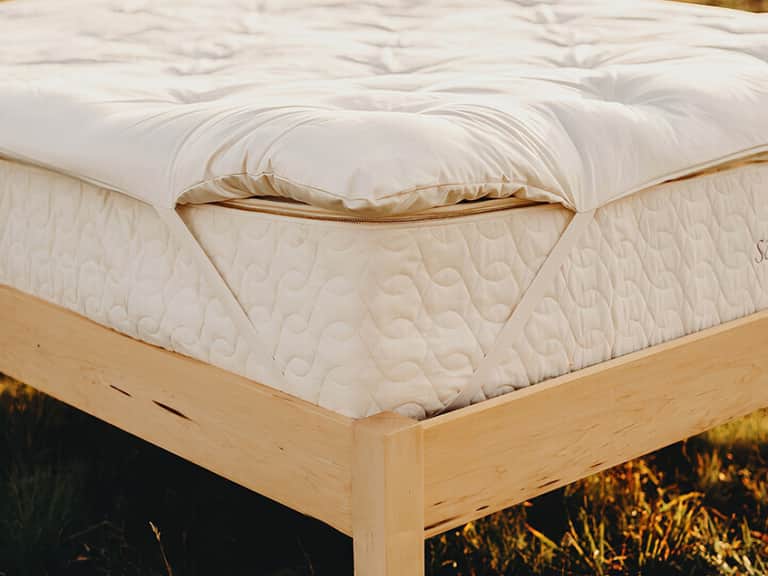
The cover is the fabric enclosure around a mattress. Organic cotton is a common choice in organic mattress construction because it can provide a breathable textile surface. Some mattresses also quilt wool into the cover. Wool can add cushioning and help manage moisture and temperature, while in some constructions it serves as part of the mattress’s fire-barrier system. The precise role depends on the design, so look for an explanation of the complete construction rather than assuming every wool layer performs the same function.
Ask whether the cover is removable, whether it can be washed, and what care the maker recommends. “Removable” does not necessarily mean machine-washable, and a mattress cover is often intended to be spot-cleaned rather than laundered. A separate mattress protector can make routine care easier, but it may also change the feel or breathability of the sleep surface. These practical details are worth considering before purchase.
Comfort layers
Comfort layers sit closer to the sleeper and influence the initial feel of the bed. They help cushion areas such as the shoulders and hips, while the deeper layers provide the underlying support. In an organic mattress, these layers might include latex, wool, or other materials. Natural latex is valued for its buoyant, responsive feel: rather than slowly enveloping the body, it tends to compress under pressure and recover its shape. That sensation is not universally preferred, so material descriptions should be treated as a starting point, not a substitute for trying the mattress if possible.
Latex can be made through different processes, including Dunlop and Talalay. These terms describe manufacturing methods, not a simple ranking from good to bad. The result may vary in feel and density, and a mattress can use one type or a combination. If the distinction matters to you, ask which latex appears in each layer and whether the firmness or composition can be selected.
The support core
The support core is the deeper structure that helps hold the body and maintain the mattress’s shape. Depending on the design, support may come from latex layers, springs, or another material. A mattress described as organic may not have every part certified organic, so examine the core separately from the cover and comfort layers. A transparent specification should identify the materials used throughout the bed, not just highlight its most appealing component.
Layer order matters, too. A softer layer near the surface generally feels different from the same material placed deeper in the mattress. In a layered design, the ability to rearrange or exchange layers may offer a way to fine-tune comfort. But customization is most useful when the choices are explained clearly and when you understand any cost, delivery, or exchange conditions attached to it.
Understand what certifications can—and cannot—tell you
Certifications can help make material claims more specific. They are not all interchangeable, and a certificate relating to one component should not be interpreted as proof that every material in the mattress has the same status. Read the scope: does the certification apply to the latex, the cotton, a textile, or the finished product? Is it about organic content, chemical emissions, manufacturing practices, or something else?
For latex, GOLS—the Global Organic Latex Standard—is a certification commonly associated with organic latex. For textiles, GOTS, the Global Organic Textile Standard, is a widely recognized standard for organic fibers and textile processing. Other labels may address emissions or chemical content rather than whether a raw material was grown organically. The useful question is not simply “Does this mattress have a certification?” but “Which specific material or process does this certification cover, and can the claim be verified?”
Do not assume that a familiar logo settles every question. Certification standards can have different scopes and requirements, and a finished mattress may combine certified and non-certified components. Ask for documentation or a clear breakdown if the product information is vague. A careful manufacturer should be able to explain which layers carry which certifications, where materials are sourced when that information is available, and what the labels mean in plain language.
It is also helpful to separate organic claims from broader environmental or health claims. “Natural,” “eco-friendly,” and “chemical-free” can be used loosely in marketing. No mattress is literally free of chemicals: all materials consist of chemicals, and the phrase tells a shopper very little without context. Look instead for precise descriptions of materials, relevant test results, and named standards. Evidence is more useful than an expansive promise.
Choose for comfort: firmness, position, and temperature
An organic mattress is still a mattress, and its most important daily test is whether it feels comfortable and supportive to you. “Firm” and “soft” are not perfectly standardized across brands. A mattress labelled medium by one maker may feel noticeably different from another, and body size, shape, and preferred sleeping position all affect how a surface feels.
Side sleepers often appreciate enough cushioning for the shoulders and hips, while still wanting the waist and spine to feel supported. Back sleepers may prefer a surface that cushions the lower back without allowing the hips to sink excessively. Stomach sleepers commonly look for a firmer, more level feel, though individual comfort varies. These are useful points of departure, not rules that override your experience or medical advice.
Think about alignment in practical terms. When lying in your usual position, does the mattress allow your body to settle without a pronounced pressure point? Do you feel supported rather than suspended or pushed upward? If you share the bed, test the surface together where possible. Different comfort needs can be addressed in some mattresses with split configurations, but verify exactly what can be customized and in which sizes.
Temperature comfort deserves its own consideration. The sensation of sleeping warm is influenced by the room, bedding, sleepwear, body, and mattress materials together. Cotton, wool, and latex may be chosen for their breathability or moisture-handling characteristics, but no material guarantees a cool night for every sleeper. A thick protector, dense quilt, or synthetic bedding layer can also change how a mattress feels. Consider the whole sleep setup rather than judging the bed in isolation.
A real-world construction example
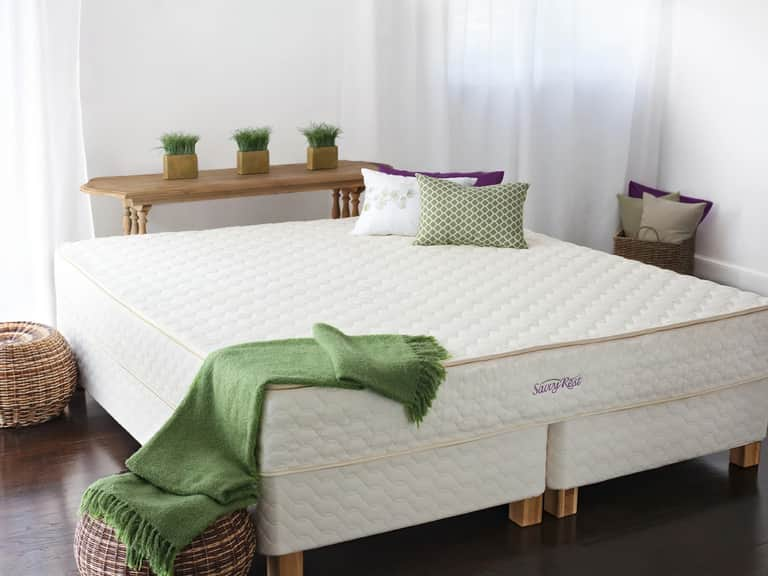
The Savvy Rest Serenity Latex Mattress illustrates how an organic mattress can be constructed as a layered system rather than a single slab of material. Its listed materials include organic cotton in the casing, organic wool quilting, and three layers of Dunlop and/or Talalay latex. The layers can be selected in soft, medium, or firm options, and Queen and King configurations can be customized by side. The manufacturer describes the latex as certified organic under GOLS and the cotton casing as certified organic; shoppers should review the product’s current documentation and specifications when assessing the scope of any certification.
This example is useful not as a universal recommendation, but as a reminder to inspect a mattress layer by layer. How many layers are present? Which material is used in each? Can firmness be configured? Is the cover intended to be washed or spot-cleaned? What does the warranty cover? The Serenity listing also describes a 90-day layer-exchange policy and a 20-year limited warranty. Those terms are product-specific, and their conditions should be read before purchase. A long warranty is not a promise that a mattress will feel unchanged for decades, nor does it necessarily cover every kind of wear.
Build a simple comparison checklist
When product pages begin to blur together, use the same questions for each option. A short, consistent checklist helps keep attention on evidence and fit rather than marketing language.
- Materials: What is used in the cover, quilting, comfort layers, and support core?
- Certifications: Which named standards apply, and to which specific components?
- Feel: What firmness choices exist, and can you test the mattress or adjust its layers?
- Sleep position: Does the surface provide a comfortable balance of cushioning and support in your usual position?
- Temperature: What materials are used, and how might your sheets and protector affect the sleep climate?
- Fit: Are the dimensions compatible with your frame, foundation, and room?
- Care: Is the cover removable? What cleaning methods are allowed? Is a protector recommended?
- Trial and returns: How long is the trial, what is required to qualify, and are return or pickup fees involved?
- Warranty: Is it limited, what defects are covered, and what maintenance or foundation requirements apply?
- Delivery: What are the shipping, setup, old-mattress removal, and exchange arrangements?
Write down the answers rather than relying on memory. A simple table with one row per mattress can reveal meaningful differences: one may offer clearer documentation, another a more suitable firmness, and a third a trial policy that better matches your circumstances. Your decision does not need to reward the longest list of features. It should reflect the features you genuinely value.
Budget for the full sleep setup
Organic materials and detailed construction can affect a mattress’s price, but cost alone does not prove quality, durability, or suitability. Compare materials and policies alongside the price. Include the foundation, protector, delivery, and any customization or exchange fees in your planning. A mattress that fits your budget only before these additions may not be the most comfortable choice financially.
Consider longevity with care. A mattress’s useful life depends on its construction, materials, use, support, and maintenance. Rotate it only if the manufacturer recommends doing so; some layered or zoned mattresses are designed for a particular orientation. Use a suitable foundation and follow care instructions. A separate protector can guard against spills and everyday soiling, although its materials may alter the surface feel.
Organic does not automatically mean low-maintenance, and natural materials still require sensible care. Keep the mattress dry, avoid cleaning methods that are not approved, and respond promptly to spills. Before buying, make sure the maker’s instructions are realistic for your household. If a product requires special care, that is part of the decision—not a minor detail to discover later.
Common myths worth setting aside
“Organic” means every component is organic
Not necessarily. A mattress can include a certified organic material alongside components that are not certified as organic. Review the composition and the scope of each certification instead of relying on the headline.
Natural materials guarantee better sleep
Material preferences are personal. A natural latex mattress may feel springy and responsive, while another sleeper may prefer a different surface. No material label can promise that a bed will relieve pain or solve a sleep problem. Focus on comfort, support, and transparent product information.
A higher firmness rating is automatically more supportive
Firmness and support are related in conversation but are not identical. A very firm mattress may not suit every body or position, and a softer surface can still provide structured support. Look for a comfortable, balanced feel rather than choosing the hardest option by default.
A long warranty guarantees a long, comfortable life
Warranties generally address specified defects under defined conditions. They do not necessarily cover changes in preference, ordinary softening, or every form of wear. Read the fine print, including what constitutes a covered defect and what foundation or care requirements apply.
Make the decision at your own pace
Choosing an organic mattress can be an exercise in discernment: look beyond the calm language of a product page and ask what the bed is made of, how it is assembled, and what the claims can substantiate. Then bring the search back to the most personal criteria—your preferred feel, sleep position, temperature comfort, and practical budget.
If you can test a mattress, spend time in your normal sleeping position rather than sitting briefly on the edge. If you cannot, study the trial policy carefully and note any return requirements. Ask clear questions about materials, certifications, care, and delivery. A straightforward answer is a good sign of useful product information; a vague answer is a reason to keep comparing.
Ultimately, a thoughtful mattress choice is not about chasing a perfect label. It is about understanding the layers beneath the surface and finding a bed whose construction, comfort, and terms make sense for you. With a little vocabulary and a consistent checklist, a crowded field of options becomes far easier to navigate.
Quick takeaways
- Read the material list from the cover through to the support core.
- Check which components a certification actually covers.
- Choose firmness by testing comfort and support in your usual sleep position.
- Think about the mattress together with your bedding, protector, and room temperature.
- Compare care instructions, trial terms, warranty conditions, and delivery costs before committing.