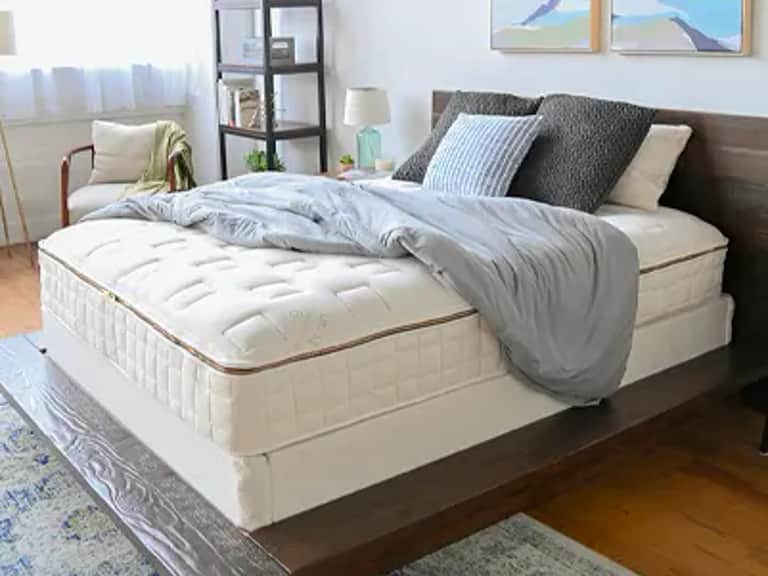
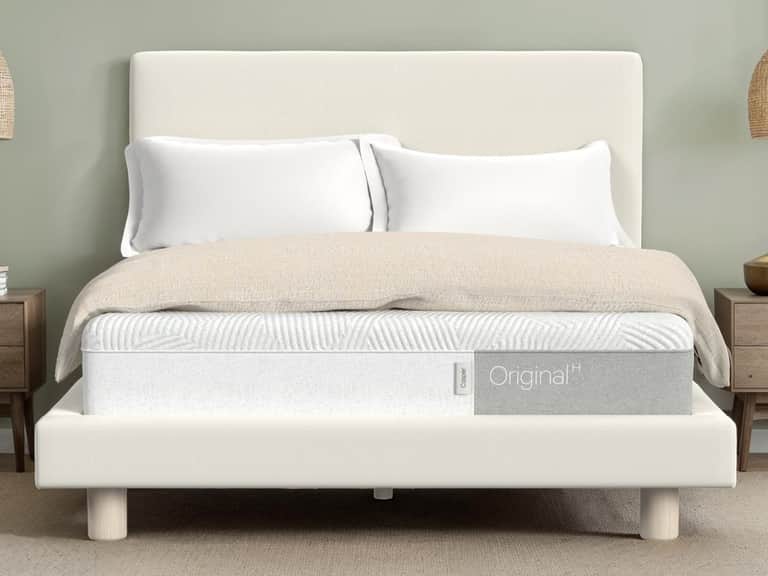
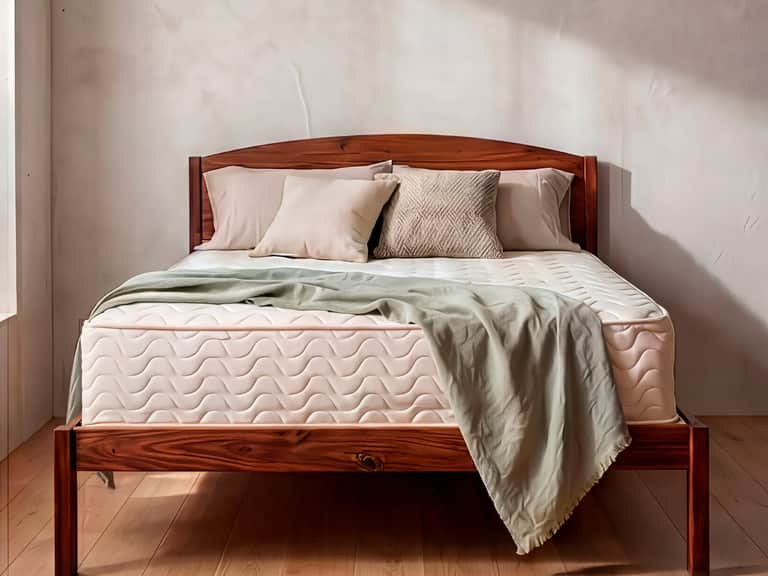
Hybrid mattresses blend individually wrapped coils with multiple foam or latex layers to deliver a balanced sleep surface. This construction aims to combine strong support from coils with contouring comfort from foams, resulting in resilient edge support, reduced motion transfer, and improved durability. Understanding these core elements helps identify suitable options for varied preferences and sleeping positions.
Key features to consider in hybrid mattresses include coil type, layer materials, and density. Pocketed coils minimize partner disturbance while providing targeted zoning support, while memory foam, latex, or polyfoam layers influence pressure relief and temperature management. Material choices affect durability, conforming resilience, and overall sleeping feel across firmness levels.
In the hybrid category, two notable models—Sonno Notte Luxury Firm Mattress and Sognante Comfort Firm Mattress—illustrate distinct approaches to firm support. The Sonno Notte emphasizes a robust coil system with reinforced comfort layers for steady alignment, while the Sognante Comfort Firm combines responsive foams with supportive springs to maintain structure without sacrificing contouring comfort.
Functional benefits of hybrid designs include adaptable sleep surfaces that accommodate varying weights and positions, improved breathability through coil ventilation, and durable edge support to preserve overall surface area. These characteristics support long-term usability, offering reliable spinal alignment, reduced motion disturbance, and balanced pressure distribution during rest.
When evaluating options, pay attention to mattress height, warranty terms, and the compatibility of top comfort layers with pillows, travel pillows, toppers, latex mattress toppers, and wool mattress toppers. Understanding how the hybrid architecture interacts with these accessories informs durable, well-supported sleep environments across diverse preferences.
 Mattresses